
Criminal Court Records in Miami, Florida
Miami criminal court records are maintained by the Miami-Dade County Clerk of Courts. As the largest city in the Eleventh Judicial Circuit, Miami processes thousands of criminal cases annually. All felony prosecutions and serious criminal matters flow through the Miami-Dade court system. The Clerk's office provides multiple ways to search and access these public records.
Miami Quick Facts
Understanding Miami's Court System
Miami is the core of the Eleventh Judicial Circuit. This is Florida's largest judicial circuit. It serves only Miami-Dade County. The circuit handles all felony criminal cases. It processes serious misdemeanors too. The volume of cases is enormous. The system employs many judges and staff.
The Miami-Dade Clerk of Courts manages all records. This office is among the busiest in Florida. Criminal cases start with arrests. They move through various court stages. The Clerk tracks each step carefully. Documents are filed and stored properly. Public access is guaranteed by law.
Miami has municipal courts for minor matters. These courts do not handle felonies. They process local ordinance violations. They manage some traffic cases. They handle code enforcement issues. Criminal cases always go to county court. This is important to understand when searching records.
Note: All Miami felony criminal court records are filed at the Miami-Dade County Clerk of Courts, not at city municipal courts.
Miami-Dade County Clerk of Courts Office
The Miami-Dade Clerk maintains all Miami criminal court records. The main criminal courthouse is in downtown Miami. The Richard E. Gerstein Justice Building houses criminal operations. This facility processes all felony cases. The Clerk's office is on the ground floor. Staff assist with record requests daily.
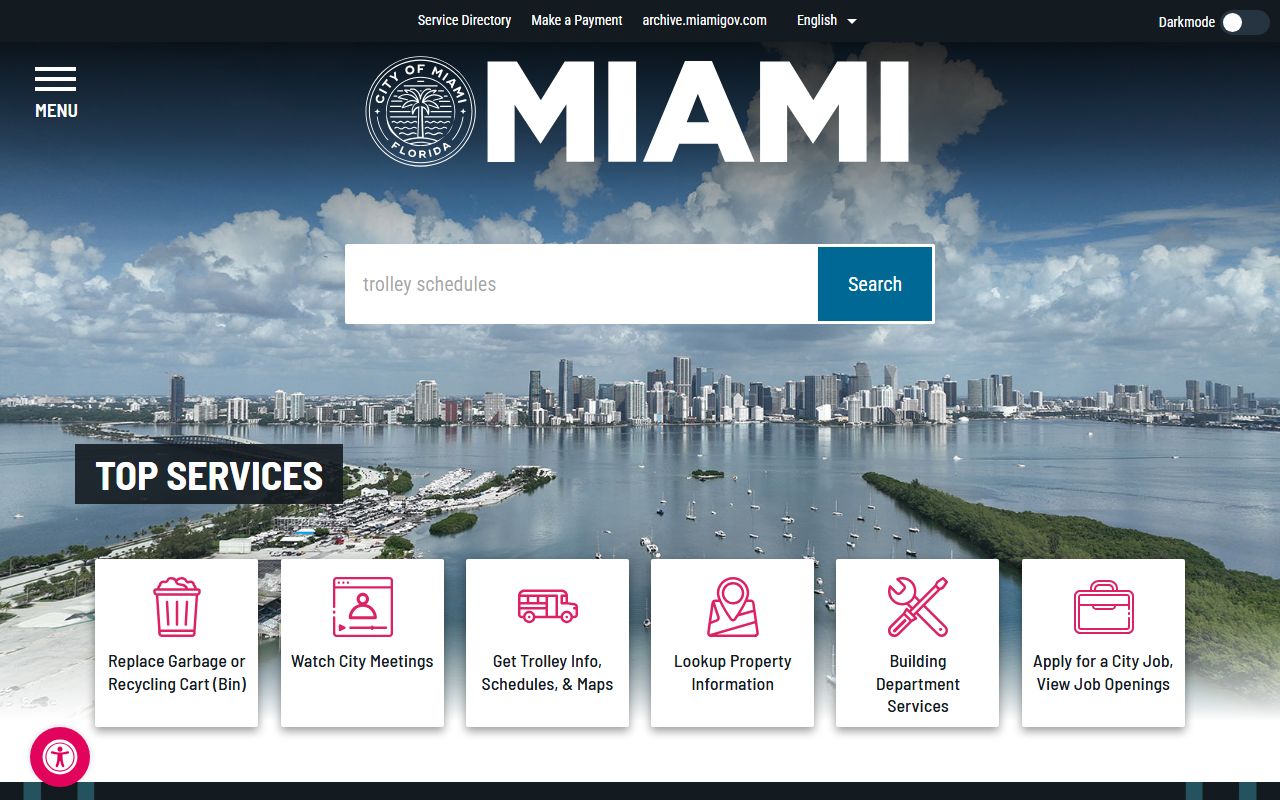
The City of Miami website directs residents to Miami-Dade County resources for all felony criminal court records and case searches.
| Clerk of Courts | Juan Fernandez-Barquin |
|---|---|
| Address | 1351 NW 12th St., Miami, FL 33125 |
| Phone | (305) 275-1155 |
| Website | miamidadeclerk.gov |
| Circuit | Eleventh Judicial Circuit |
| Hours | Monday through Friday, 9:00 AM to 4:00 PM |
CJIS Criminal Justice Information System
Miami residents can search criminal court records through CJIS. This stands for Criminal Justice Information System. The portal provides free access to case data. Users can search by defendant name. Case numbers also work well. The system covers recent and older cases.
CJIS offers detailed case information. Users can view charge details. Court dates are listed clearly. Case status is updated regularly. Attorney information is available. Some documents can be downloaded. The interface is straightforward to use.
The system works best with accurate data. Full legal names are essential. Middle names help narrow results. Date of birth is very useful. Incorrect spellings may miss records. The database is updated frequently. New filings appear within days.
Note: CJIS provides public access to Miami criminal court records, but sealed or expunged cases will not appear in search results.
Types of Criminal Records Available in Miami
Miami criminal court records span many categories. Drug-related cases are common. Trafficking charges generate extensive files. Possession cases are also frequent. Violent crimes create major records. Robbery and assault are examples. Homicide cases are the most serious.
White collar crimes are well-documented. Fraud cases appear regularly. Embezzlement is another example. Money laundering cases are complex. These records include financial documents. They show transaction details. They help prosecutors build cases.
Theft and property crimes fill many files. Burglary cases are serious felonies. Grand theft is commonly charged. Auto theft creates specific records. Property damage cases are included. Restitution orders are part of these files.
Domestic violence cases receive special attention. These records are sensitive. Victim information is protected. Restraining orders are on file. Batterer intervention programs are tracked. These cases affect family law matters. They appear in related civil cases.
How to Access Miami Criminal Court Records
Miami offers several ways to obtain criminal court records. The CJIS system is available online. It works twenty-four hours daily. Basic searches are free. Detailed copies may cost money. The system is easy to navigate.
In-person visits provide full access. The Gerstein Building welcomes the public. Staff assist with searches. They help locate specific files. Viewing records is free. Copies require payment. Certified copies cost extra. Payment methods vary.
Mail requests are accepted. Include complete case information. Provide defendant full name. Add date of birth if known. State the case number. Include your contact details. Enclose proper payment. Allow processing time.
Eleventh Judicial Circuit Court
The Eleventh Circuit is Florida's only single-county circuit. It serves only Miami-Dade County. This concentration creates efficiency. The circuit handles all felonies. It manages complex criminal cases. It oversees drug courts. It runs mental health courts.
The circuit uses specialized divisions. Criminal cases have dedicated sections. Some judges handle drug offenses. Others focus on violent crimes. Domestic violence gets special attention. Juvenile cases are separate. This organization improves case flow.
The Clerk and court work closely. Documents move between offices. Case files are updated daily. Trial schedules are coordinated. Sentencing hearings are calendared. All actions are recorded. This partnership ensures accuracy.
Criminal Background Checks in Miami
Background checks in Miami use multiple sources. The FDLE provides statewide records. Their database includes Miami cases. The fee is twenty-four dollars. Results come back quickly. This is a good starting point.
Local checks add more detail. The Miami-Dade Clerk provides these. They show complete case files. All documents are included. Dispositions are clearly marked. Statewide checks may miss details. Both levels together are best.
Processing times vary. FDLE checks are fastest. Local searches take longer. Complex cases need more time. Plan accordingly. Some services offer rush processing.
Note: Miami criminal records are part of the statewide database maintained by the Florida Department of Law Enforcement.
Other Cities in Miami-Dade County
Miami-Dade County includes many municipalities. All use the same court system. Records for these cities are at the county clerk. Hialeah and Miami Gardens are examples. Each city has its own police. Arrests go to county court. The Clerk maintains all records.